BMI Calculator
Calculate your Body Mass Index using Nepali units
Your BMI is --
Category: --
BMI Categories:
Health Recommendations Based on Your BMI
Underweight (BMI < 18.5)
- Increase calorie intake with nutrient-rich foods
- Strength training to build muscle
- Eat frequent, smaller meals
- Consult a nutritionist
Normal (BMI 18.5-24.9)
- Maintain balanced diet
- Regular exercise (150 mins/week)
- Annual health check-ups
- Monitor weight monthly
Overweight (BMI 25-29.9)
- Moderate calorie reduction
- Increase physical activity
- Limit processed foods
- Portion control
Obese (BMI ≥ 30)
- Consult healthcare provider
- Structured weight loss program
- Regular medical monitoring
- Professional nutrition guidance
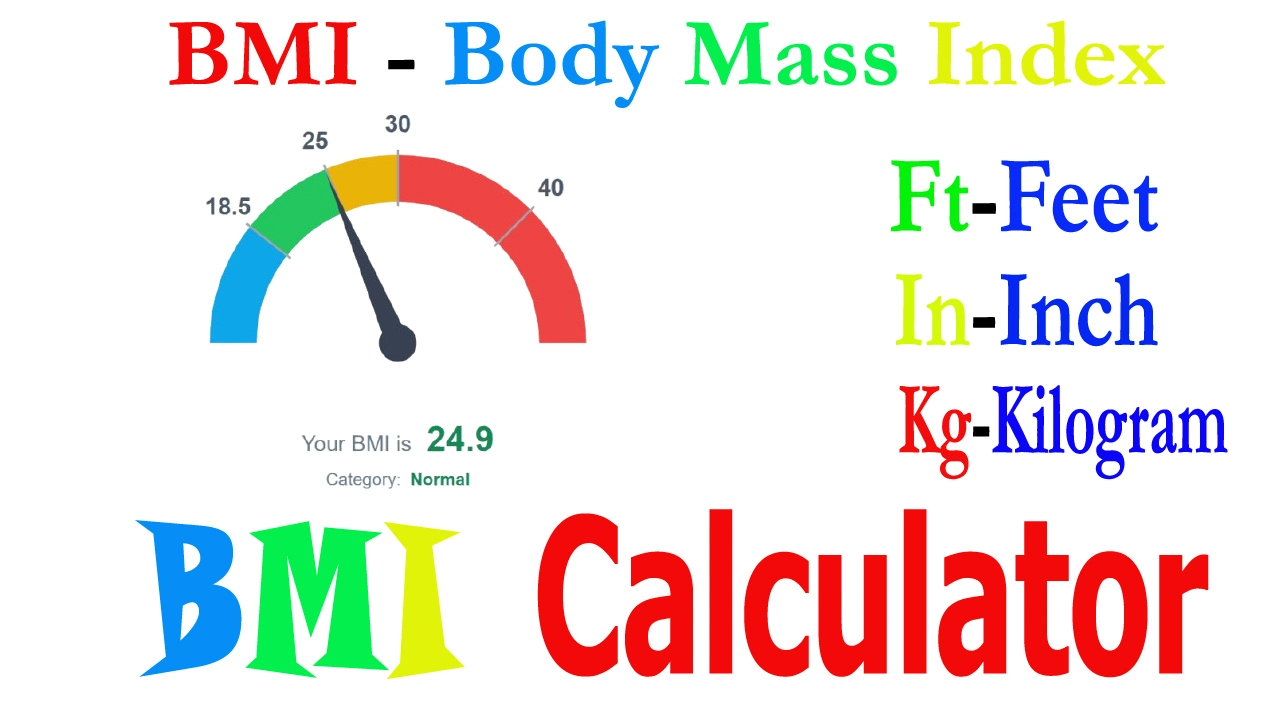
BMI with Feet Inch Kilogram
The Body Mass Index (BMI) Calculator using Feet, Inch, and Kilogram helps you accurately find your body fat level based on your height and weight. Simply enter your height in feet and inches, and weight in kilograms to calculate your BMI score. This Feet Inch Kg BMI Calculator instantly tells whether you are underweight, normal, overweight, or obese according to the World Health Organization (WHO) BMI standards. It is a quick and reliable tool for health, fitness, and weight management to help you maintain an ideal body weight ratio and stay healthy.
How to Calculate BMI Using Feet, Inches and Kilograms
Example: 5 feet 7 inches (5'7")
Example: 65 kilograms
Get instant BMI result and category
Check BMI category and health recommendations
BMI Formula
BMI = Weight (kg) ÷ Height (m)²
Where height in meters = (feet × 12 + inches) × 0.0254
Example Calculation:
For 5'7" (5 feet 7 inches) and 65 kg:
Height in meters = (5×12 + 7) × 0.0254 = 1.7018 m
BMI = 65 ÷ (1.7018 × 1.7018) = 22.5 (Normal Weight)
BMI Calculator – Online Body Mass Index Finder for Health Monitoring
The Body Mass Index (BMI) Calculator is a vital health screening tool used to determine if an individual has a healthy body weight for their height. By calculating the ratio of weight to height, our Online BMI Calculator categorizes users into specific weight statuses: Underweight, Normal Weight, Overweight, or Obese. While it is not a direct measure of body fat, it is a globally recognized indicator for identifying potential health risks related to weight.
How is BMI Calculated? (The Formula)
Our tool uses the standard Quetelet Index formula. In the metric system, BMI is calculated as weight in kilograms divided by height in meters squared (kg/m²). For those using imperial units, the formula is (weight in lbs / height in inches²) × 703. Whether you use Metric or Imperial units, our calculator provides an instant and accurate score, helping you track your fitness journey without complex manual math.
Understanding Your BMI Score and Health Risks
Maintaining a healthy BMI range (typically 18.5 to 24.9) is associated with a lower risk of chronic conditions such as Type 2 diabetes, heart disease, hypertension (high blood pressure), and certain cancers. If your score falls into the Overweight or Obese category, it may serve as an early warning to consult a healthcare professional about lifestyle changes, diet, and physical activity to improve your long-term wellness.
Special Considerations for the Asian Population
Research indicates that individuals of Asian descent, including those in Nepal, may face higher health risks (like diabetes and cardiovascular disease) at lower BMI levels compared to Western populations. Many health experts suggest that for Asians, the overweight threshold should be lower (23 kg/m² instead of 25 kg/m²). This makes regular monitoring with a BMI finder even more critical for local health management.
Adults vs. Children: Different Standards
While the calculation formula is the same, BMI for children and teens is interpreted differently. For those under 20, BMI is measured in percentiles relative to others of the same age and sex. This accounts for the natural changes in body fat as children grow. Our tool is designed mainly for adult BMI screening, providing a clear classification based on World Health Organization (WHO) guidelines.
Limitations of Body Mass Index
It is important to remember that BMI is a screening tool, not a diagnostic one. It does not distinguish between muscle mass and body fat. For example, athletes and bodybuilders may have a "High BMI" due to muscle weight rather than fat. Conversely, the elderly may have a "Normal BMI" but low muscle mass. Always consider BMI alongside other metrics like waist circumference and body fat percentage.
Fast, Private, and Mobile-Friendly
Our Online BMI Tool is designed for the modern user. It is fast, fully mobile-responsive, and requires no personal data storage. Whether you are at the gym, in a clinic, or at home, you can check your Body Mass Index instantly to stay informed about your physical health and weight management goals.
BARALA Web Tools & Services
Explore our most popular Nepali calculators, typography converters, and daily web utilities.
Frequently Asked Questions About BMI Calculator
- Underweight: BMI less than 18.5
- Normal weight: BMI 18.5 - 24.9
- Overweight: BMI 25 - 29.9
- Obese: BMI 30 or greater
Related Search Topics & Usage
Weight & Fitness Goals
The go-to fitness tracker for assessing weight status. Helps individuals set realistic weight loss or gain goals by calculating their ideal BMI based on standard health metrics.
Medical Screening
Essential for identifying risks of obesity-related diseases. Used by users to monitor body fatness indicators and metabolic health before visiting a doctor for clinical diagnosis.
Common User Queries
Users frequently search for "BMI calculator for men and women", "healthy weight for my height", "body mass index formula", and "calculate my weight status".
Medical Disclaimer
This BMI calculator provides approximate values based on WHO standards. It is not a substitute for professional medical advice, diagnosis, or treatment. Always consult your physician or qualified health provider with any questions regarding medical conditions. Results may vary based on individual factors including muscle mass, age, and ethnicity.